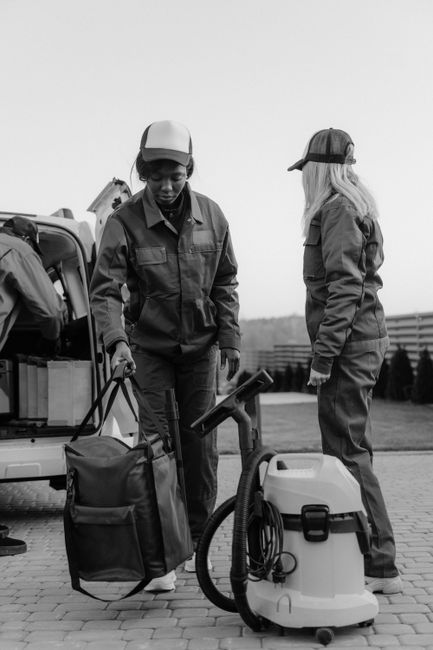
Hidden charges to avoid when booking Belgravia cleaners
Booking cleaners in Belgravia should feel straightforward, not like you need a detective, a calculator, and a strong cup of tea to decode the final bill. Yet hidden charges to avoid when booking Belgravia cleaners are one of the most common reasons people feel frustrated after a perfectly normal-sounding quote suddenly grows arms and legs. The good news? Most of these extra costs can be spotted early if you know what to ask, what to compare, and what to put in writing before anyone arrives with mops, sprays, or that faint smell of polish in the hallway.
This guide breaks down the usual traps, the questions worth asking, and the small details that make a big difference. Whether you need a one-off clean, end of tenancy work, or ongoing help for a townhouse, flat, or office in SW1, you will walk away with a much clearer idea of what fair pricing looks like and where the sneaky add-ons tend to hide.
Let's keep it practical. No fluff.
Table of Contents
- Why hidden charges matter
- How pricing and extras usually work
- Key benefits of spotting charges early
- Who this is for
- Step-by-step guidance
- Expert tips for better results
- Common mistakes to avoid
- Tools, resources and recommendations
- Law, compliance, standards, or best practice
- Options, methods, or comparison table
- Case study or real-world example
- Practical checklist
- Conclusion
- Frequently asked questions
Why Hidden charges to avoid when booking Belgravia cleaners Matters
In a premium area like Belgravia, expectations are naturally high. Homes are often larger than average, access can be trickier than it first looks, and properties may include delicate finishes, valuable furnishings, or building rules that need a bit of care. That combination makes pricing more nuanced. Fair enough. But nuanced should not mean vague.
Hidden charges matter because they affect more than your budget. They affect trust. A quote that looks attractive at first glance can become far less appealing once parking, stair fees, deep-clean surcharges, minimum hours, or "specialist equipment" costs are added afterwards. And once you are already half-committed, it is much harder to walk away.
There is also a practical side. If you are booking for a move-out, a landlord handover, or a time-sensitive job before guests arrive, you need certainty. Nobody wants a cleaner to finish, then be told there is an extra fee because the oven was "heavier than expected". That sort of thing happens more often than people think, and it is usually avoidable.
Another reason this matters: some extra charges are legitimate, some are policy-driven, and some are simply unclear. Knowing the difference helps you judge whether a quote is genuinely competitive or just missing the awkward bits.
Expert summary: the cheapest quote is not always the best value. The better question is: what is included, what is optional, and what will trigger extra costs later?
How Hidden charges to avoid when booking Belgravia cleaners Works
Most cleaning businesses price work using a base service, then layer in extras where needed. That is normal. The problem starts when the extra layers are not explained clearly enough.
In practice, a cleaner may quote for a standard visit based on the size of the property, the service type, and the estimated time needed. Then, depending on the job, they may add costs for things like:
- heavy soiling or excessive limescale
- extra rooms beyond the initial estimate
- specialist treatment for upholstery, rugs, or delicate fabrics
- parking difficulties or congestion-related delays
- late key handovers or restricted access windows
- same-day or out-of-hours appointments
- deep-cleaning of appliances, windows, or fixtures not included in the base scope
That structure is not inherently unfair. In fact, it can be perfectly reasonable when it is explained up front. The issue is ambiguity. A phrase like "prices from" sounds appealing, but unless you know what the base service covers, it is a bit like buying a jacket and finding the sleeves sold separately.
There is also a difference between quoted estimates and fixed prices. Estimates can change if the job details change. Fixed prices should be more stable, but even then, certain exclusions may still apply. The safest route is to get the scope written down clearly enough that both sides know where the line is.
If you are comparing providers, it helps to check the detail on pricing and quotes alongside the service page that matches your job. For example, a one-off deep clean and a regular domestic clean are not priced the same way, and nor should they be.
Key Benefits and Practical Advantages
Spotting hidden charges early is not just about saving a few pounds, though that is nice. It makes the whole booking process calmer, cleaner, and much easier to plan around.
Here are the main benefits:
- Budget control: you know the likely final cost before committing.
- Better comparisons: you can compare services fairly rather than apples-to-oranges.
- Less stress on the day: no awkward conversations about extras once the team has started.
- Higher trust: transparent pricing usually signals a more professional business.
- Fewer disputes: clear expectations reduce misunderstandings later.
There is a quieter benefit too: it helps you choose the right type of clean. A lot of people book a basic clean when they really need a one-off deep clean, or they ask for end of tenancy work when the job is actually more like a move-out reset. Paying for the right service from the start can be better value than repeatedly adding extras. Not glamorous, but true.
And if your property has anything unusual - polished floors, antique furniture, delicate fabric, post-renovation dust, a stubborn oven, or carpet stains that have been there since before the last tenant knew the Wi-Fi password - then clarity matters even more. It helps the cleaner prepare properly and avoids the "we should probably treat that as an extra" moment.
Who This Is For and When It Makes Sense
This topic is relevant for more people than you might expect. If you are in Belgravia, chances are your cleaning needs are not always simple or small.
It makes particular sense if you are:
- a homeowner who wants regular or occasional domestic cleaning
- a tenant preparing for check-out and deposit protection
- a landlord getting a property ready for new occupants
- a property manager juggling access, schedules, and standards
- a business owner arranging office or commercial cleaning
- someone booking after-builders, move-in, or one-off deep cleaning
It is also especially relevant if the property involves building rules, concierge access, basement parking, narrow staircases, or time-limited access. Those are small details, but they can absolutely affect cost. A cleaner may not call them "hidden charges" if they are disclosed, though in real life they often feel hidden when they appear late in the process.
Truth be told, the bigger and more complex the property, the more important the quote conversation becomes. A studio flat off a quiet street is one thing. A multi-room period apartment with limited loading space is another.
Step-by-Step Guidance
Here is a practical way to book without unpleasant surprises. Keep it simple and you will usually be fine.
1. Describe the job in plain detail
Tell the cleaner the property type, number of rooms, approximate condition, and whether you need extras such as oven cleaning, carpet treatment, or interior windows. Do not assume they can guess. They cannot, not really.
2. Ask what is included in the base price
Get specific. Ask whether bathrooms, kitchens, appliances, inside cupboards, skirting boards, and high-touch areas are included. If the answer is vague, ask again. A clear answer now is worth ten awkward minutes later.
3. Check for minimum charges or minimum time blocks
Some cleaners have a minimum booking length or a minimum spend. That is not unusual. What matters is whether you know about it before you agree.
4. Ask about access costs
In central London, access issues can matter more than people expect. Ask whether there are charges for parking, congestion delays, waiting time, key collection, or restricted entry windows. If the building has a concierge, say so. If there is no lift, say that too.
5. Confirm specialist add-ons
Items like upholstery, rug cleaning, mattress cleaning, stain removal, or oven degreasing often sit outside basic cleaning. If you need them, ask for the extra cost upfront. A good provider will explain the difference without drama.
6. Get the quote in writing
Email or message is fine. The aim is not paperwork for the sake of it. The aim is a record of what was agreed, what was excluded, and what might change the price.
7. Reconfirm before the booking
If there has been a gap between quote and visit, check the scope again. Especially if the property condition has changed, or if someone else is arranging access on your behalf.
Small detail, big payoff.
Expert Tips for Better Results
After looking at a lot of booking conversations over the years, a few patterns keep showing up. The people who avoid hidden charges are not necessarily more experienced. They are just more specific.
Ask for the "assumption list". Every quote has assumptions built into it. Sometimes they are obvious; sometimes they are not. Ask what the cleaner assumed about the property condition, parking, time on site, and access.
Use the service page to match the job. If you need end of tenancy cleaning, book that service rather than trying to build it out of a standard domestic clean. If you need a deep clean, say so. Service mismatch is a classic cause of extra fees.
Be honest about the mess. Nobody is impressed by underplaying the situation. If there are pet stains, baked-on grease, post-party glass marks, or heavy dust from renovation work, say it. A cleaner can only price accurately if they know what they are walking into.
Clarify "from" pricing. A "from" price can be perfectly legitimate, but it should come with a clear explanation of what pushes it up.
Watch for vague language. Phrases like "subject to inspection" or "depending on condition" are normal to a point, but they should not be used to avoid giving any meaningful detail.
Keep a tiny audit trail. Even a short message confirming the included rooms, date, time, and any add-ons can save a lot of hassle. Not glamorous, but very useful.
If you want to understand how a provider frames its services and expectations, pages like terms and conditions and payment and security are worth a quick look before you book. They can reveal how extras, deposits, and payment timing are handled.
Common Mistakes to Avoid
A lot of people make the same few mistakes, and honestly, they are easy to make when you are busy.
- Booking on headline price alone. The cheapest quote can be the most expensive once extras appear.
- Assuming all cleaning is the same. Regular cleaning, deep cleaning, and specialist cleaning are different jobs.
- Not mentioning access problems. Lift restrictions, parking, and entry times can all change the cost.
- Forgetting specialist items. Ovens, carpets, upholstery, and curtains usually need separate treatment.
- Ignoring exclusions. If inside cupboards or inside appliances are not included, you need to know that early.
- Leaving booking details to someone else without checking them. Handy in theory, risky in practice.
One tiny real-world example: a client once booked a "general clean" for a flat that was clearly mid-move, with boxes everywhere and a fridge that had seen better days. The job was still done well, but the final cost changed because the original scope simply did not match the reality on arrival. No scandal, just avoidable friction. That sort of thing is common.
Also, do not be shy about asking "What would make this cost more?" That question is boring in the best possible way.
Tools, Resources and Recommendations
You do not need special software to avoid hidden charges. A clear head and a short checklist usually do the job. That said, a few simple tools can help.
- A written checklist: list the rooms, surfaces, and extras you need.
- Photos or short video: useful for giving an accurate idea of condition before booking.
- A measuring app or floor plan: handy for larger homes or offices when room sizes matter.
- Calendar reminders: useful if access windows, key handover, or check-out times are tight.
- Saved messages: keep the quote and agreed scope in one place.
For service planning, it also helps to browse the relevant page for your actual requirement. For example, if you are weighing a standard visit against something more involved, compare domestic cleaning, deep cleaning, and end of tenancy cleaning. The differences are often where hidden costs either appear or disappear.
If your job is more specific, you may also want to check oven cleaning, carpet cleaning, or upholstery cleaning. These services are often priced separately for a reason: they need different tools, time, and treatments.
For trust and transparency, it is also worth reading the provider's insurance and safety information and health and safety policy. That does not eliminate hidden charges, of course, but it gives you a better sense of professionalism.
Law, Compliance, Standards, or Best Practice
This is one of those topics where the legal side is less about a dramatic rule and more about clear trading practice. In the UK, customers should be given pricing information that is not misleading, and service terms should be clear enough for a reasonable person to understand before they agree. That is the broad idea, anyway.
For you as the customer, the practical best practice is simple:
- get the scope in writing
- check what is included and excluded
- confirm any extra charges before the clean starts
- keep copies of messages or invoices
If a cleaner asks for additional payment after arrival, the key question is whether the extra work was genuinely outside the agreed scope. If it was, it may be reasonable. If it was never mentioned and was not obvious from the booking details, you are on firmer ground asking for clarification before agreeing.
Providers should also have sensible policies around complaints, safety, privacy, and payment handling. If that matters to you - and it should - pages such as complaints procedure and privacy policy help show how the business handles customer issues and information. Nothing fancy, just good housekeeping in the wider sense.
In short: transparent pricing is not a luxury. It is basic good practice.
Options, Methods, or Comparison Table
Different booking methods can expose or reduce hidden charges. Here is a simple comparison of what you are likely to get.
| Booking approach | What it usually means | Risk of hidden charges | Best for |
|---|---|---|---|
| Quick phone quote | Fast estimate with limited detail | Medium to high if the job is complex | Simple, routine cleans |
| Email or written quote | More detail, easier to review later | Lower if scope is clear | Most residential bookings |
| Site visit before pricing | Cleaner assesses condition in person | Usually lower, though still depends on clarity | Large, unusual, or busy properties |
| Fixed package pricing | Standardised service bundles | Low if the package matches your needs | End of tenancy or well-defined tasks |
Fixed packages can be excellent for predictability, but only if they match what you actually need. A package that includes the wrong things is not really a bargain. It is just tidy-looking confusion.
For example, if you need a larger or more detailed job, a package tied to one-off cleaning or regular cleaning may be more transparent than a vague bespoke estimate. If it is for a business setting, compare it with office cleaning or commercial cleaning instead.
Case Study or Real-World Example
A Belgravia resident needed a pre-move clean for a two-bedroom flat with a small terrace and a fairly busy kitchen. Nothing outrageous. The initial quote looked competitive, but the client asked a few extra questions before booking: Was oven cleaning included? What about internal fridge cleaning? Were parking or waiting-time charges possible? Would the team need to come through a concierge desk with timed access?
That conversation changed everything, in a good way. The cleaner explained that the base clean covered all main rooms, bathrooms, and kitchen surfaces, but the oven, fridge interior, and balcony doors would be charged separately. Parking was not a flat fee, but waiting time beyond a short grace period could incur costs if access was delayed.
Because those details were clarified in advance, there was no argument later. The client chose to add oven and fridge cleaning, skipped the balcony door treatment for that visit, and arranged access with the concierge ahead of time. The final bill was not magically low, but it was fair, understood, and free of awkward surprises.
That is the real goal. Not the lowest number on page one. A clean, honest, predictable outcome.
Practical Checklist
Before you confirm your booking, run through this quick list. It takes two minutes and can save a lot more later.
- Have I described the property accurately?
- Do I know exactly what the base price includes?
- Have I asked about parking, access, and waiting-time charges?
- Do I know whether deep cleaning or specialist work costs extra?
- Have I checked for minimum hours, call-out fees, or weekend surcharges?
- Is the final quote written down somewhere I can find later?
- Have I matched the right service to the job?
- Have I disclosed any heavy staining, pet issues, or post-build dust?
- Do I understand the payment timing and cancellation terms?
- Have I confirmed any building or concierge restrictions?
If the answer to most of those is yes, you are in a much safer place.
A little care up front goes a long way.
Get a free quote today and see how much you can save.
Conclusion
The best way to avoid hidden charges when booking Belgravia cleaners is not to become suspicious of every quote. It is to become clearer about your own needs and more precise in how you ask for pricing. Once you do that, the whole process gets easier.
Ask what is included. Ask what is excluded. Ask what changes the price. Then get it in writing. Simple, really - though easy to skip when you are busy and just want the place sorted before evening rolls in and the hallway light starts to look a bit golden.
Whether you are booking a regular clean, a deep clean, or something more specialist, transparency is what protects your budget and your peace of mind. And that is worth a bit of extra attention.
Good cleaning should leave your home or property feeling lighter, not your bank account feeling mysterious. Keep it clear, keep it calm, and you will be fine.
Frequently Asked Questions
What are the most common hidden charges when booking cleaners in Belgravia?
The most common extras are parking or access charges, deep-clean add-ons, minimum booking fees, late notice fees, specialist treatments, and charges for heavier-than-expected soiling. The exact list depends on the provider, which is why a written quote matters.
How can I tell if a cleaner's quote is genuine or missing extras?
Look for detail. A genuine quote should explain what is included, what is not, and what would trigger a price change. If the quote is vague, especially around access or specialist tasks, ask for clarification before booking.
Should I expect to pay extra for parking in central London?
Sometimes, yes. In areas like Belgravia, parking and loading can be difficult, so some cleaners either pass on direct parking costs or build access time into the price. It should be explained before the visit, though.
Is a cheap cleaning quote always a bad sign?
Not always, but it can be if the quote is unusually low because it leaves out common parts of the job. A low headline price may be fine for a very basic clean, but it is worth checking the scope carefully.
What should be included in an end of tenancy cleaning quote?
A proper end of tenancy quote should clearly state what rooms and fixtures are covered, and whether items like ovens, fridge interiors, cupboards, carpets, or upholstery are included. This service is often more detailed than regular domestic cleaning.
Can cleaners charge more if the property is messier than expected?
Yes, if the condition is materially different from what was described when the quote was given. The key is disclosure. If you were clear about the state of the property, any change should be discussed before work continues.
Are same-day or weekend cleaning appointments usually more expensive?
They can be. Some providers apply premium rates for urgent, late, or weekend bookings because staffing and scheduling are tighter. If timing matters to you, ask about this early rather than assuming the standard rate applies.
What is the safest way to avoid disputes over cleaning charges?
Get everything in writing: the service type, included rooms, add-ons, access details, and payment terms. A short confirmation message or email can prevent most misunderstandings later.
Do I need a site visit before booking a cleaner?
Not always, but it can help for larger homes, unusual layouts, or jobs with a lot of specialist work. If the property is straightforward, detailed photos and a clear description may be enough.
What should I do if extra charges are added after the cleaner arrives?
Ask what the charge is for and whether it was outside the agreed scope. If it genuinely was not discussed, request a clear explanation before accepting it. Calm, specific questions usually work better than a big scene. Usually.
Where can I check a provider's policies before booking?
Look at their pricing, terms, payment, insurance, and complaints pages. Those pages often reveal how the company handles exclusions, refunds, safety, and customer concerns.
Is transparent pricing more important for deep cleaning than for regular cleaning?
Yes, usually. Deep cleaning tends to involve more variables, more time, and more specialist tasks, so there is more room for misunderstandings if the scope is not defined properly.